Aquaculture monitoring for ponds, tanks and recirculating systems
Prioritize the measurements that drive an operational response, then design alarms, installation, cleaning and field verification around the culture system.
The system in one paragraph
Aquaculture monitoring usually begins with dissolved oxygen, temperature and pH because they can drive immediate operating decisions. Conductivity, turbidity, ammonia, chlorophyll or blue-green algae may be added according to the species, water source and risk. Confirm sensor placement, low-DO alarms, cleaning, power, communications and a portable verification routine before choosing hardware.
Inputs required before model selection.
Culture system
Pond, tank, cage, hatchery, recirculating system or intake water
Priority response
Aeration control, low-DO alarm, feeding decision, water exchange or environmental trend
Possible parameters
DO, temperature, pH, conductivity, turbidity, ammonia, chlorophyll and algae
Deployment
Fixed sensor, compact buoy, multiparameter probe or portable verification meter
Connect each point to an operating decision.
Design the measurement, installation and data path together.
Fixed online point
Supports continuous alarms or control at a critical tank, pond or recirculating-water location.
Compact buoy
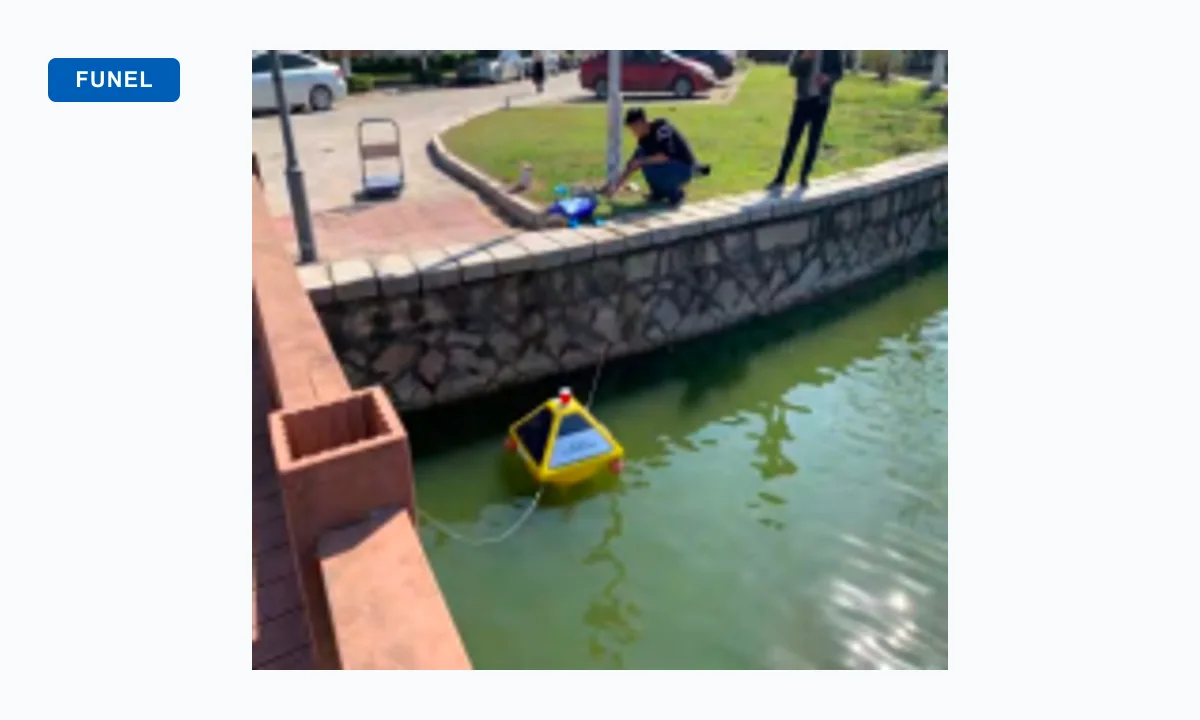
Places a defined sensor set in open ponds or reservoirs when shore-based measurement is not representative.
Integrated multiparameter probe
Supports field profiling or a compact multi-sensor point with the selected electrodes and optical sensors.
Portable analyzer
Supports verification and measurements at several sites without assuming it provides continuous control.
Compare technical pages after the duty is defined.
Aquaculture Fluorescence DO Analyzer
Compact low-pressure optical DO configuration documented for aquaculture duties.
View technical data ↗Mini Water Quality Monitoring Buoy
Compact platform for an agreed multiparameter sensor package in ponds and small water bodies.
View technical data ↗Integrated Multiparameter Analyzer
Integrated field probe with documented physical, electrochemical and optional nutrient channels.
View technical data ↗Portable Water Quality Analyzer Platform
Portable single-parameter configurations for field checks and commissioning.
View technical data ↗Continue with selection guides and real project records.
Technical specifications come from model pages. Engineering context comes from focused guides. Project claims come only from the published case records linked here.
Questions to resolve before quotation.
Which parameters should an aquaculture system monitor first?+
Start with the parameters tied to an immediate operating response. Dissolved oxygen, temperature and pH are common priorities; conductivity, turbidity, ammonia and algae measurements depend on the culture system and risk.
Can a buoy control pond aeration?+
A buoy can collect and transmit data, but the control architecture, power, communications, relay or PLC interface and fail-safe response must be designed and confirmed for the project.
How should aquaculture sensors be maintained?+
The cleaning and verification interval depends on biofouling, solids, algae, temperature and sensor location. Define routine inspection, portable comparison and spare parts before deployment.